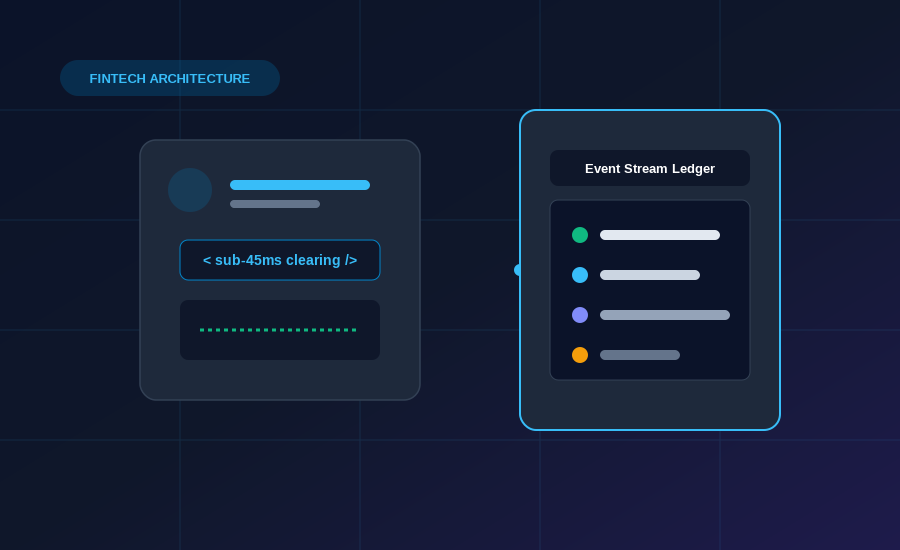
Modern institutional banking and neobanking platforms demand sub-50ms settlement speeds, zero transaction drop rates, and absolute regulatory compliance. As monolithic core banking applications reach their scaling limits, moving toward an event-driven microservices architecture has become an imperative rather than an option.
1. The Core Latency Challenge
In high-frequency trading and consumer digital wallets, latency spikes directly translate to abandoned checkouts and increased fraud exposure. Traditional relational databases encounter lock contention when handling concurrent writes at scale. To address this, our engineering team implements a segregated CQRS (Command Query Responsibility Segregation) pattern:
- Write Models (Commands): Handled by high-throughput write microservices logging immutable ledger events directly to Apache Kafka partitions.
- Read Models (Queries): Materialized views served from Redis distributed clusters with deterministic sub-millisecond lookups.
- Idempotency Enforcement: Distributed UUID hashing with Redis distributed locks prevents duplicate payment submissions across erratic mobile connections.
2. Zero-Trust Security & PCI-DSS Compliance
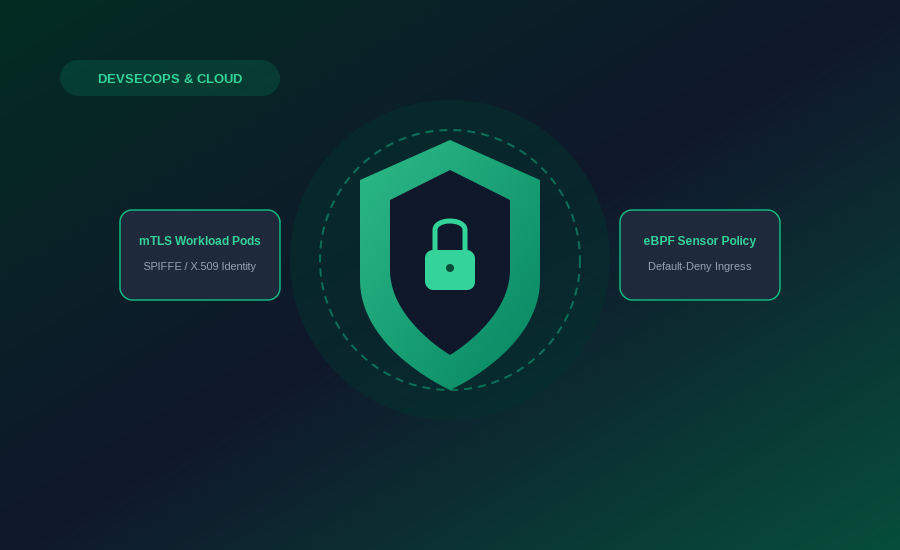
Handling financial payloads requires bank-grade confidentiality at rest and in transit. Every service-to-service communication is encrypted using mutual TLS (mTLS) managed by an Envoy-powered service mesh. Sensitive cardholder data (PAN) is tokenized before ingestion into primary datastores, ensuring core workloads operate outside of PCI-DSS scope.
3. Real-Time Telemetry and Circuit Breaking
When third-party banking rails experience outages, graceful degradation is essential. Implementing Netflix Resilience4j circuit breakers ensures that timeouts in external clearing houses do not exhaust thread pools in upstream client-facing microservices.